

EU Project
Graph-Massivizer

 Read more
PRESS RELEASE
Graph-Massivizer promotes climate-neutral and sustainable economic sectors boosted by graph data processing.

EU Project
Graph Massivizer

About the Project
Graph-Massivizer
Graph-Massivizer researches and develops a high-performance, scalable, and sustainable platform for information processing and reasoning based on the massive graph representation of extreme data. It delivers a toolkit of five open-source software tools and FAIR graph datasets covering the sustainable lifecycle of processing extreme data as massive graphs. The tools focus on holistic usability (from extreme data ingestion and massive graph creation), automated intelligence (through analytics and reasoning), performance modelling, and environmental sustainability tradeoffs, supported by credible data-driven evidence across the computing continuum.
Consortium
Graph-Massivizer gathers a consortium of twelve partners from eight countries, covering four academic universities, two applied research centres, one HPC centre, two SMEs and two large enterprises. It leverages the world-leading roles of European researchers in graph processing and serverless computing and uses leadership-class European infrastructure in the computing continuum.













Graph-Massivizer Software Tools

The project delivers the Graph-Massivizer toolkit of five open-source software (OSS) tools and FAIR graph datasets covering the sustainable lifecycle of processing extreme data as MG.
The tools focus on holistic
1. Usability
2. Automated intelligence
3. Performance modelling
4. Environmental sustainability tradeoffs supported by credible data-driven evidence
5. Across HPC systems and computing continuum
Graph-Massivizer Software Tools
The project delivers the Graph-Massivizer toolkit of five open-source software (OSS) tools and FAIR graph datasets covering the sustainable lifecycle of processing extreme data as MG.
The tools focus on holistic
1. Usability
2. Automated intelligence
3. Performance modelling
4. Environmental sustainability tradeoffs supported by credible data-driven evidence
5. Across HPC systems and computing continuum
Use Cases


News
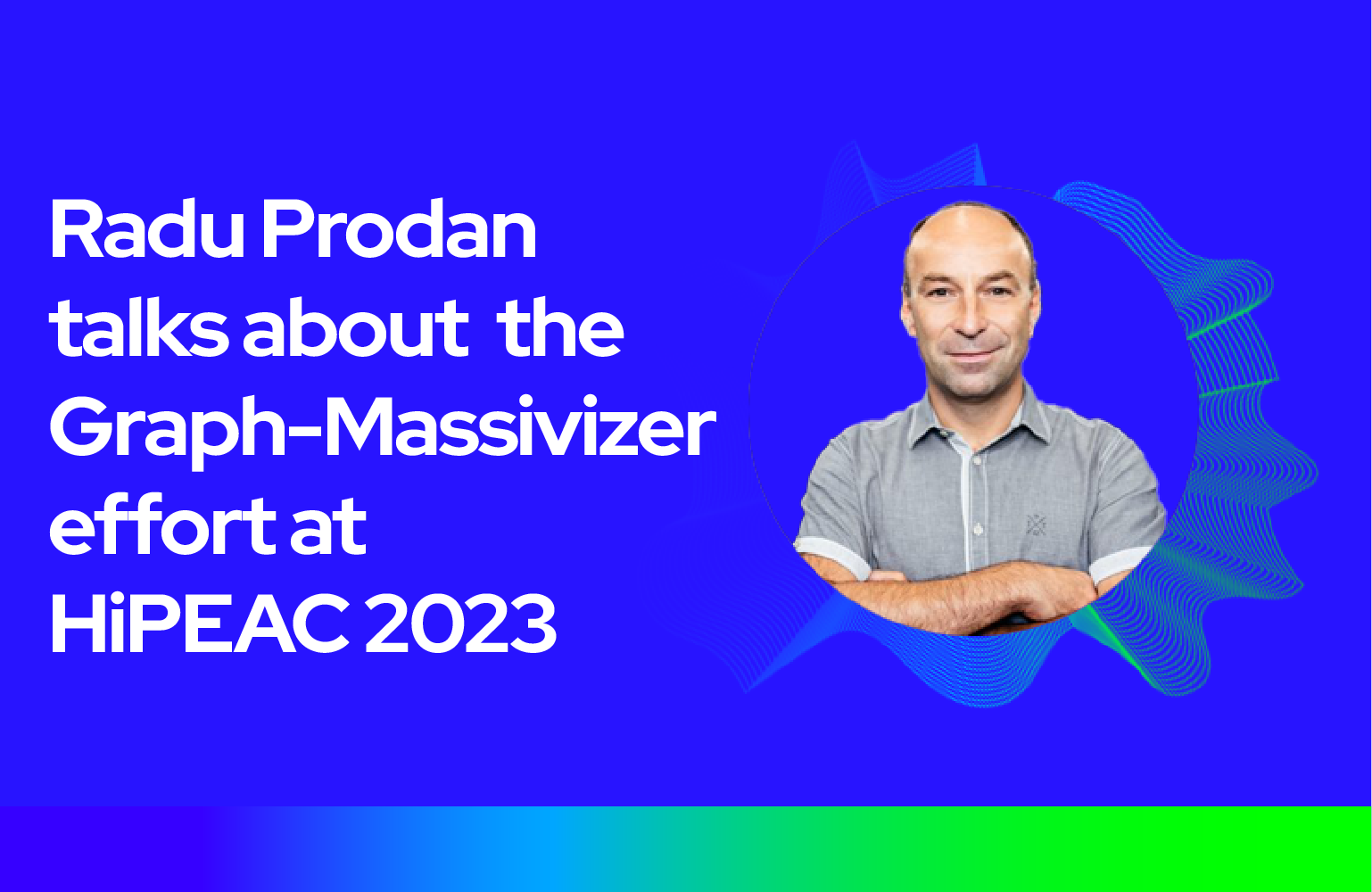


Blog

DataNexus and EUDATA+: the clustering approach of Graph-Massivizer
With hundreds of projects funded by the European Commission that run more or less at the same time, activities that used to be rather easy in the past, have become a real nightmare for projects. Some of those activities are: i) understanding what other projects do and...

GraphMa: Public Release and What’s New
One year ago, we published a blog post introducing the concept of GraphMa within the Graph-Massivizer project. At that time, the GitHub repository was private, and we shared only conceptual insights and early design principles. During 2025, we made the GraphMa GitHub...

Navigating the Computing Continuum: Enabling Scalable and Sustainable Graph Processing
Rethinking Infrastructure Boundaries for Graph Analytics The Graph-Massivizer project reimagines how large-scale graph data is processed by leveraging the computing continuum, a seamless integration of edge, cloud, and high-performance computing (HPC) environments....
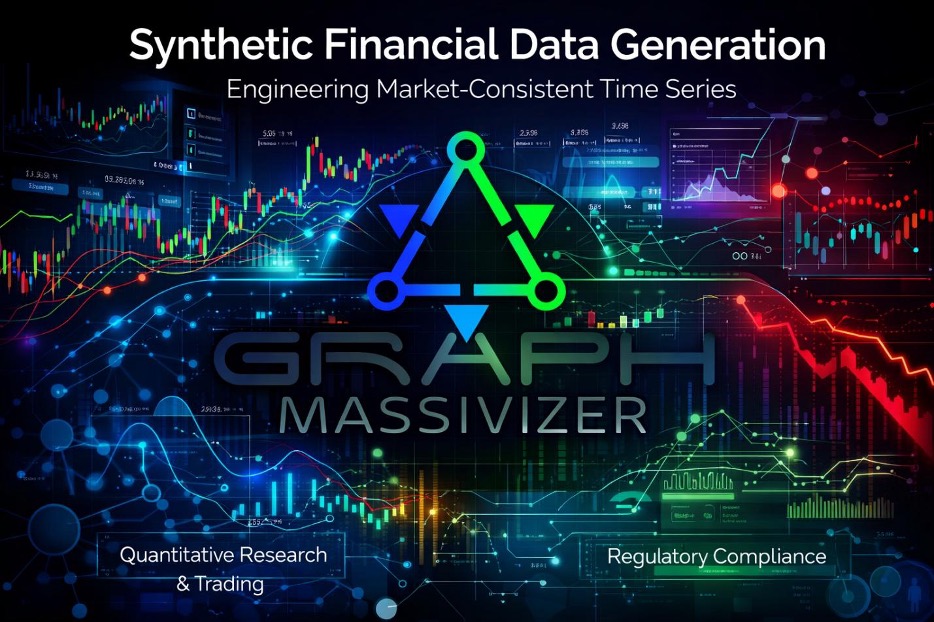
Synthetic Financial Data Generation: Engineering Market-Consistent Time Series for Quantitative Research, Trading, and Regulatory Compliance
Modern quantitative finance is increasingly constrained not by a lack of ideas, but by limitations in data availability, usability, and regulatory permissibility. As trading strategies, risk engines, and AI-driven models become more sophisticated, the demand for...
From Scarcity to Scale: How Synthetic Financial Data Is Powering AI Training for Quantitative Trading Strategies
Artificial intelligence has moved from experimentation to production across quantitative trading, portfolio construction, execution optimization, and risk management. However, while model architectures and compute capacity have scaled rapidly, the availability of...
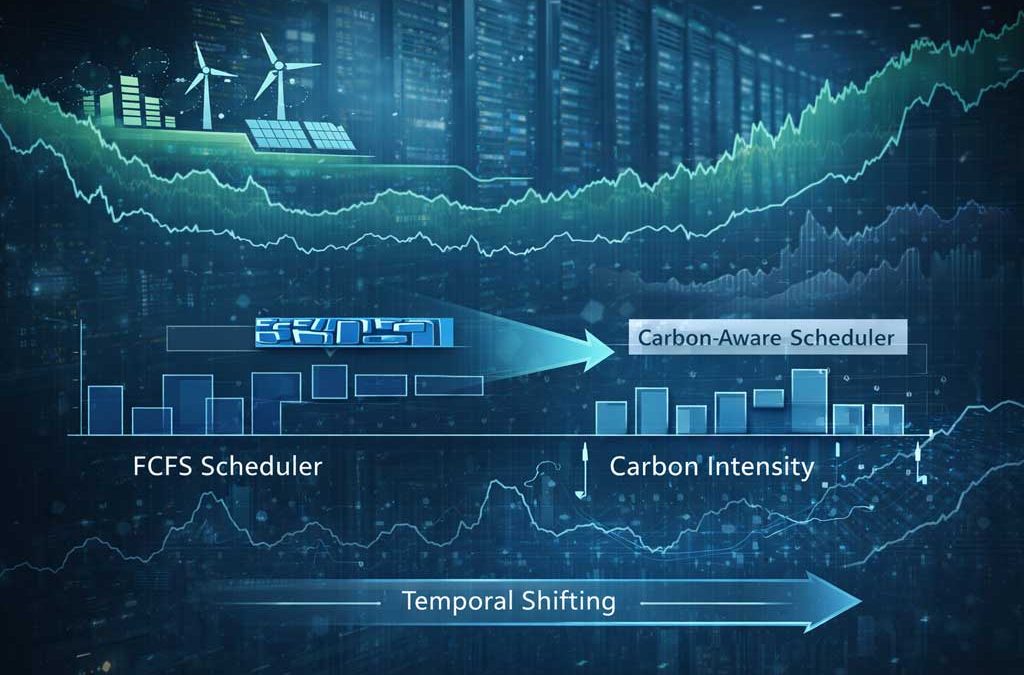
How Temporal Shifting Affects the Carbon Intensity of Data-Centre Workloads (VU)
Processing large-scale graph-processing workloads requires similarly large-scale infrastructure, which we know today as data centres: large computing facilities, deploying hundreds or thousands of interconnected computers. Data centres form the basis of today’s...
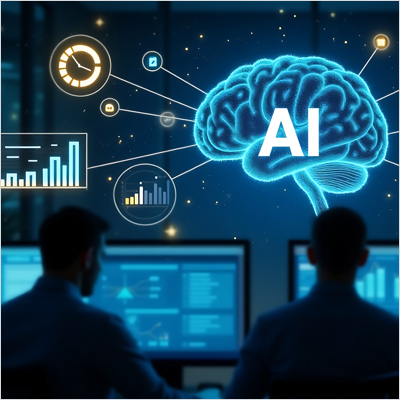
AI for Massive Knowledge Graphs
Integrating knowledge graph technologies with AI agents and graph analytics can expose new pathways to interacting with your data and extract actionable information for your use case, allowing even massive graphs to be processed in a scalable manner. Here, we explore...
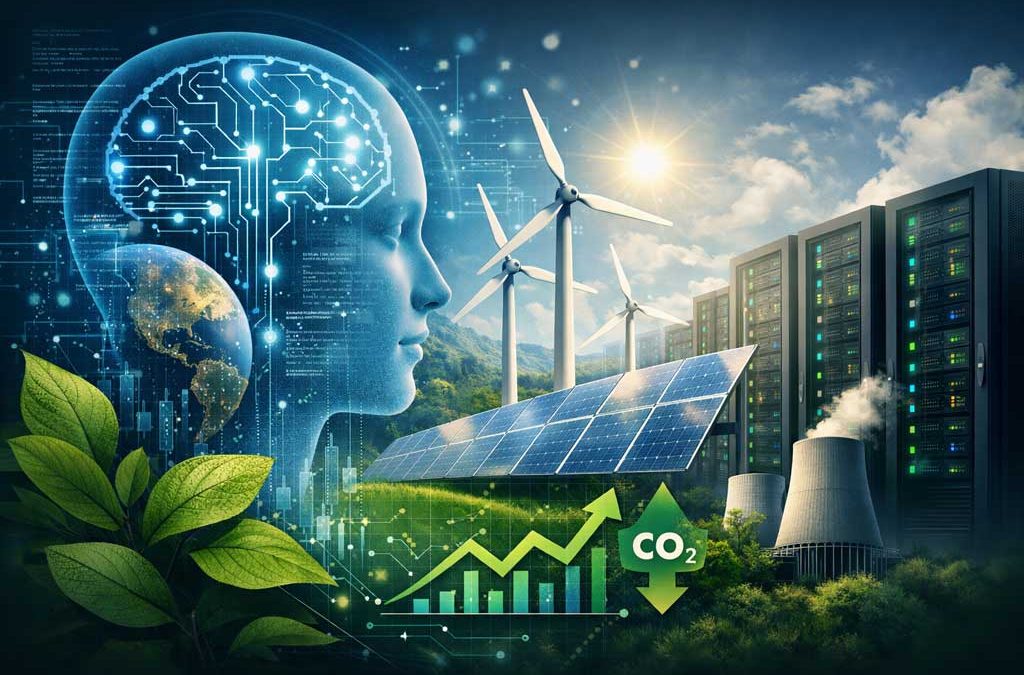
AI and Sustainability: Bridging Innovation and Environmental Responsibility
AI and Sustainability: Bridging Innovation and Environmental Responsibility Artificial intelligence is reshaping modern society, but this technological revolution comes at an environmental cost that we can no longer ignore. Although AI offers innovative ways to tackle...
GraphMa: Graph Processing with Pipeline-Oriented Computation
In the realm of data science and analytics, the significance of graph processing cannot be overstated. The intricate web of relationships and connections that graphs represent are fundamental to understanding complex systems, from social networks to biological...

How we implemented scalable graph summarization
tl;dr k-bisimulation can be used to create a condensed version of a graph. This condensed version is a graph summary, keeping specific properties of the original k-bisimulation partitions the nodes of the graph in equivalence classes which we call blocks We create the...
